

Supporting Sustainable Textile Production with Advanced Knitting Machines
Sustainability has become one of the most influential forces shaping the global textile industry. As international brands strengthen their environmental commitments and consumers demand greener products, overseas knitting factories face increasing pressure to reduce waste, lower energy consumption, and adopt more resource-efficient manufacturing technologies. To help manufacturers reach these goals, Binji provides a full portfolio of advanced Circular Knitting Machines that support sustainable, efficient, and high-quality fabric production.
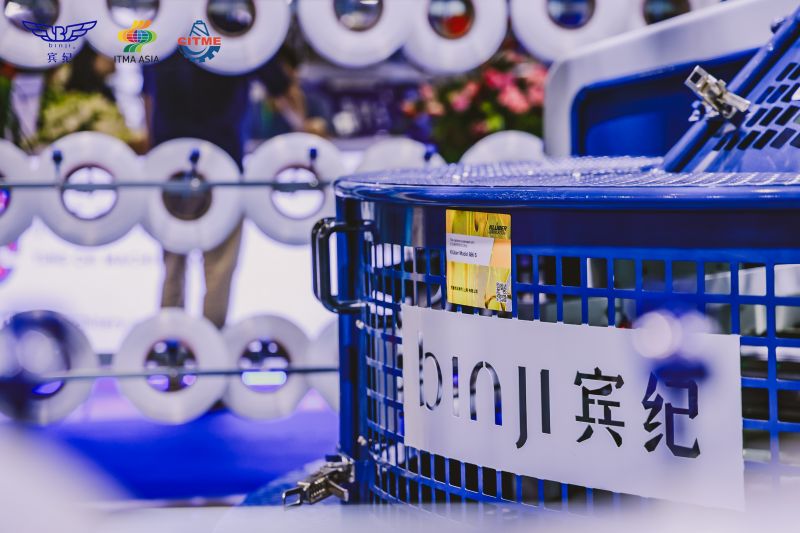
For many overseas mills, yarn waste and excessive electricity use are major contributors to operating costs and environmental impact. Binji’s Single Jersey Circular Knitting Machine and Double Jersey Circular Knitting Machine are designed with improved motor systems, optimized lubrication, and stable yarn feeding mechanisms. These innovations not only increase production speed but also reduce yarn breakage, minimize fabric defects, and lower overall energy consumption. The result is cleaner production with fewer stoppages and less material loss—key benefits for factories aiming for long-term sustainability targets.
In addition, the Jacquard Circular Knitting Machine plays an important role in eco-friendly textile production. Traditionally, creating patterns or functional textures often required additional finishing steps or separate knitting processes. With digital jacquard control, manufacturers can integrate complex patterns, mesh structures, airflow designs, or decorative elements directly during knitting, significantly reducing the need for extra chemicals, water, and post-processing work. This streamlined approach supports lower environmental impact while helping factories offer high-value, multifunction fabrics for global markets.
Dyeing and finishing processes are some of the most resource-intensive stages in textile production, especially regarding water usage and chemical waste. Binji’s Open Width Circular Knitting Machine is specifically engineered to solve crease-related issues that commonly occur in tubular fabrics during dyeing. By knitting fabric in open-width form, the machine helps dye houses achieve more uniform color distribution, reducing the frequency of re-dyeing and lowering water, dye, and energy consumption. This makes it a valuable solution for factories supplying color-critical home textiles, sportswear, and fashion items.
Beyond operational efficiency, Binji is deeply committed to producing long-lasting, durable machinery that reduces environmental impact over the lifecycle of the equipment. All Circular Knitting Machines undergo strict quality control and precision engineering to extend service life. The use of reinforced frames, high-strength components, and stable electronic systems ensures that machines operate reliably over many years, helping factories avoid frequent replacements and reducing industrial waste.
For overseas manufacturers pursuing OEKO-TEX®, GRS, ISO 14001, or other environmental certifications, Binji’s machinery aligns closely with global standards. The machines enable factories to produce fabrics with fewer emissions, reduced waste, and improved resource efficiency—key requirements for sustainability-driven audit systems. Whether producing eco-friendly sportswear, recyclable home textiles, or low-impact fashion fabrics, manufacturers gain the production stability and energy savings needed to meet international buyers’ expectations.
As global fashion, sportswear, and home textile brands accelerate their shift toward sustainability, knitting mills must maintain both environmental responsibility and high-volume production capability. Binji’s comprehensive range—including the Single Jersey Circular Knitting Machine, Double Jersey Circular Knitting Machine, Jacquard Circular Knitting Machine, and Open Width Circular Knitting Machine—empowers overseas factories to reduce environmental impact without sacrificing performance or fabric quality.
With ongoing innovation and a commitment to greener production, Binji continues to help global textile manufacturers move toward a more sustainable and competitive future.